Posts

Harvests of Time: The Age-Old Art of Agriculture

Image
Before machines roared across fields and satellites hovered over crops, there was the quiet, sacred rhythm of human hands working with nature. For thousands of years, agriculture has been the heartbeat of civilizations—nurturing life, shaping culture, and feeding generations. "Harvests of Time: The Age-Old Art of Agriculture" is a tribute to the wisdom, patience, and timeless beauty of traditional farming. The Origins of Cultivation The story of agriculture began over 10,000 years ago when humans transitioned from hunter-gatherers to settlers. They learned to till the soil, save seeds, and harness the power of nature . Early farming wasn't just about survival—it was a spiritual practice tied to seasons, rain, sun, and earth. Crops like wheat in Mesopotamia, rice in the Indus Valley, maize in the Americas, and millet in Africa were more than food—they were symbols of identity and tradition. Tools of the Ancients Traditional farmers used simple, ingenious tools: Th...

Smart Farms, Smart Future

Image
As the global population surges past 8 billion and climate challenges threaten food production, agriculture stands at a turning point. Traditional farming alone cannot meet tomorrow’s demands. The solution? Smart farms. Merging technology with agriculture, smart farms are reshaping how we grow food—efficiently, sustainably, and intelligently. "Smart Farms, Smart Future" is not just a phrase—it’s a vision of progress rooted in innovation. What Are Smart Farms? Smart farms use advanced technologies —from sensors and satellites to artificial intelligence and robotics—to manage every aspect of agriculture. These tools help farmers: Monitor crops and soil in real-time Automate irrigation and fertilization Predict pest infestations and weather patterns Reduce waste and increase yield This data-driven approach is often called precision agriculture , and it’s revolutionizing farms of all sizes. Tools That Make Farming Smart 1. IoT Sensors Internet of Things (IoT...

Dry Lands, Green Solutions

Image
 As climate change intensifies, one of its most visible effects is the rapid expansion of dry, arid lands. Once-fertile soils are turning into dust, water sources are drying up, and farming communities are struggling to survive. But even in these parched places, hope is growing —through innovative, sustainable solutions. "Dry Lands, Green Solutions" is more than a concept; it’s a vision for reviving ecosystems , empowering communities , and feeding the future . The Challenge of Drylands Drylands cover over 40% of the Earth’s surface and are home to more than 2 billion people . These regions face: Water scarcity Soil degradation Desertification Low crop yields When poorly managed, drylands can quickly become uninhabitable, pushing communities into poverty and migration. But when wisely nurtured, these same lands can be transformed into green, productive landscapes . Green Solutions for Arid Lands 1. Drip Irrigation & Water Harvesting Instead of floodi...

Soil, Soul, and Sustainabilty

Image
  In the heart of every thriving civilization lies a simple truth: our survival begins in the soil, is shaped by the soul, and must be sustained for the future. These three elements—soil, soul, and sustainability—are not just poetic alliterations; they are the cornerstones of a planet-friendly way of life that reconnects us with nature, purpose, and responsibility. Soil: The Silent Foundation of Life Soil is not just dirt beneath our feet—it is a living, breathing system that nourishes plants, stores water, and captures carbon. Rich, healthy soil is essential for growing food, maintaining biodiversity, and regulating the Earth's climate. But today, soil across the world is under threat: Overuse of chemical fertilizers has weakened natural fertility. Deforestation and urbanization have eroded topsoil. Climate change is altering rainfall patterns, making soil drier or prone to floods. Without urgent restoration, the very foundation of agriculture—and life—could c...

In the Field of Sacrifice: Unsung Heroes of Farming

Image
In every grain of rice, every loaf of bread, and every fruit that nourishes us lies the story of tireless effort, unbreakable will, and quiet sacrifice. Yet, the people who make this daily miracle possible—the farmers—often remain invisible in public praise, policy priorities, and our everyday conversations. "In the Field of Sacrifice" shines a spotlight on these unsung heroes of farming , whose lives are rooted in the soil, but whose struggles often go unnoticed. A Life of Labor and Love Farming is more than a job—it's a way of life that requires dedication from dawn to dusk , in seasons of both hope and hardship. Farmers don’t clock out. Their work is tied to the rhythms of nature, with no guarantees of reward. A failed monsoon, a pest outbreak, or a dip in market prices can mean the difference between survival and despair. Despite these challenges, farmers persevere—not for fame or fortune, but to feed a nation. Sweat, Soil, and Sacrifice Behind every harvest i...

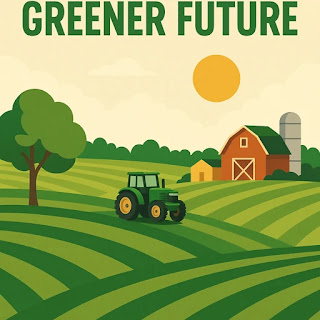
Green Fields, Greener Future

Image
In a world where the climate crisis looms large and environmental concerns grow louder, the future of farming holds a powerful key to global sustainability. Agriculture, long seen as a sector of tradition, is undergoing a profound transformation—one that not only embraces productivity but also champions environmental harmony. The concept of "Green Fields, Greener Future" is more than a catchy phrase—it’s a call to action, a vision of a sustainable tomorrow rooted in the practices of today. The Problem with Conventional Agriculture Traditional industrial farming has undoubtedly helped feed billions, but it has come at a cost. Monoculture farming, excessive pesticide use, deforestation, soil degradation, and high water consumption have strained our ecosystems. According to the UN Food and Agriculture Organization, agriculture is one of the largest contributors to greenhouse gas emissions globally. If we continue on this path, the very fields that feed us may become barren. ...

From Soil to Supper: The Journey of Food

Image
Every grain of rice, every slice of bread, and every vegetable on your plate has a story—one that begins deep within the earth and ends at your table. Yet, in a fast-paced world of supermarkets and food delivery apps, we rarely pause to consider the journey our food takes before it becomes a meal. “From Soil to Supper” is not just a phrase; it’s a tribute to the extraordinary path food travels and the people who make it possible. The Soil: Where Life Begins The journey of food starts with soil—a living, breathing foundation teeming with microorganisms, nutrients, and organic matter. Healthy soil is essential for healthy crops. Farmers work tirelessly to prepare the land, using age-old techniques and modern innovations to plough, fertilize, and condition the earth. Without rich, fertile soil, the seed of life has no chance to grow. Sowing the Seeds of Nourishment Sowing is not just the act of planting seeds; it is an act of hope. Farmers select seeds carefully, considering soil typ...